Lifestyle
Microfeathering Vs Microblading For Patchy Or Sparse Brows
Microfeathering adds fine strokes among your own brow hairs, while microblading can rebuild a whole brow. Here is how they differ and who each one suits.
The microfeathering vs microblading question comes up a lot, because the two names sound almost interchangeable. Both place fine, hair-like strokes of pigment into the skin, but they are used for different starting points.
Put simply, microfeathering works with the brows you already have, while microblading can create a brow shape from very little.
How Each Technique Works
Microfeathering
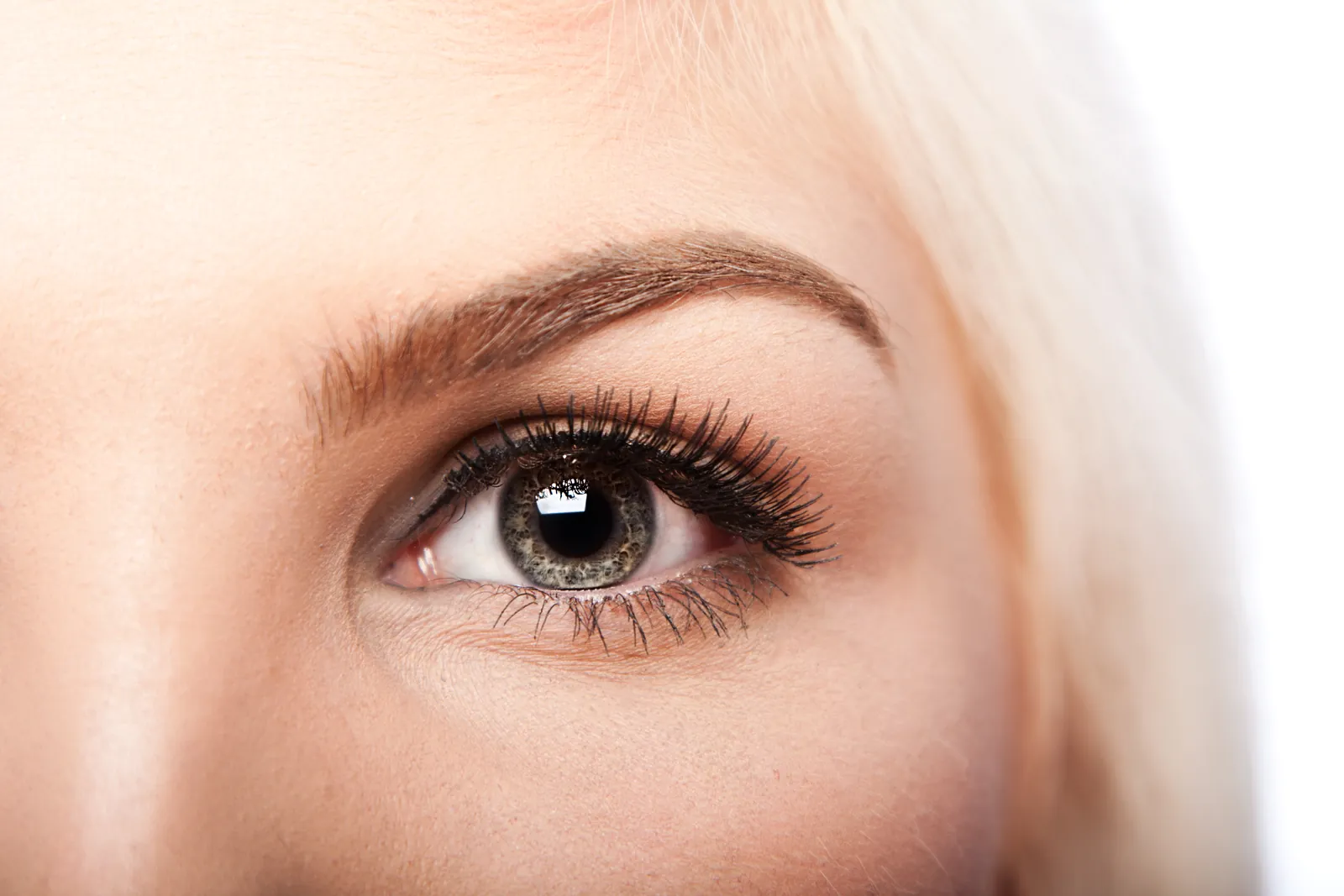
Microfeathering is a light-touch form of stroke work. The practitioner adds a smaller number of fine strokes between your existing hairs to fill gaps, soften over-plucked areas or add a little density.
Your natural brow shape stays in charge. The aim is that nobody can see where your own hairs end and the pigment begins.
It is worth knowing that “microfeathering” is a salon term rather than a strictly defined procedure. The tools and method are similar to microblading, so ask any practitioner exactly what their version involves.
Microblading
Microblading uses a hand tool with a row of tiny needles to draw strokes across the whole brow area. It can reshape the arch, extend a short tail or rebuild brows that have thinned significantly.
Because more strokes are placed, the result can look more defined and more “done” than microfeathering, although a skilled practitioner can still keep it natural.
Where They Overlap
In practice the line between the two is blurry. Many practitioners simply adjust how many strokes they place, how long they make them and how closely they follow your natural hair growth. A light microblading session on fairly full brows can look very similar to microfeathering. What matters most is that you and your practitioner agree the look before any pigment goes in.
Microfeathering Vs Microblading, Who Suits Which?
Microfeathering May Suit You If
- You have a reasonable amount of brow hair but a few gaps.
- You like your shape and just want it to look fuller.
- You want a subtle first step into semi-permanent brows.
Microblading May Suit You If
- Your brows are very sparse, very short or uneven.
- You want to change the shape as well as the fullness.
- You currently spend time drawing brows on every day.
Oily skin can cause fine strokes from either method to soften over time, so a practitioner may suggest adding some shading. Salons such as Beauty by Ruth in Maghull offer microblading tailored to your face shape and colouring, which is a sensible place to discuss whether a lighter feathered approach or fuller stroke work suits your brows.
Before You Book
A proper consultation should come first. Use it to look at examples of the practitioner’s healed work, not just fresh results, and to agree the shape and colour.
The NHS advice on cosmetic procedures suggests you ask questions, understand the risks and take time to decide, and says a practitioner should be trained in the procedure and have insurance. You can walk away if you are not comfortable.
- Ask whether a patch test is needed for the pigment.
- Mention any skin conditions, medicines or recent treatments.
- Ask about total costs, including the top-up and future colour refreshes.
It also helps to arrive with a clear idea of what you like. Bring photos of brows you admire, and of your own brows on a good day when filled in with make-up. If you currently tint, wax or thread, ask how long to leave your brows alone before the appointment so the practitioner can see your natural hair growth and shape. Some practitioners will also ask you to stop certain skincare around the brows beforehand.
Healing And Aftercare
Healing is similar for both. Brows usually look bolder at first, then flake and lighten before the final colour shows. Follow your written aftercare, avoid picking and keep the area clean.
A follow-up session is normally booked a few weeks later to perfect any strokes that faded unevenly. If the area becomes increasingly red, swollen or painful, get medical advice.
In England, practitioners who carry out semi-permanent skin colouring, which covers microblading and microfeathering, must be registered with their local council. In Sefton, for example, both the practitioner and the premises need registering, so it is worth asking to see proof before your appointment.
Colour, Comfort And Upkeep
Whichever route you take, the pigment colour makes a big difference to how natural the result looks. A shade slightly softer than your darkest brow hairs usually blends best. Fresh strokes tend to look darker for the first week or so, so judge the colour once it has healed.
Both treatments involve some discomfort, which most people describe as scratchy rather than painful. Ask how this is managed at your appointment.
Plan for upkeep, too. A top-up session is usually part of the first treatment, and colour refreshes are needed as the pigment fades. Regular sun exposure, swimming and strong exfoliating skincare near the brows can shorten how long strokes stay crisp.
Microfeathering Vs Microblading FAQs
Does Microfeathering Last As Long As Microblading?
Both are semi-permanent and fade gradually. Because microfeathering uses fewer strokes, the fading can be less obvious, but timescales vary from person to person.
Can I Switch From Microfeathering To Microblading Later?
Often, yes. More strokes can usually be added at a later appointment once earlier work has settled.
Will It Look Fake?
Good stroke work is designed to look like hair. Choosing the right colour and not overfilling are the main things that keep it natural.
Making Your Decision
The microfeathering vs microblading choice mainly depends on how much natural brow you are starting with. Gaps in an otherwise good shape point towards feathering, while very sparse brows usually need fuller stroke work.
Find more practical beauty and lifestyle guides on Beyond The Garden Gates.