Lifestyle
Do Natural Remedies For Acne Really Work?
Tea tree oil, aloe vera, toothpaste and diet changes all get recommended for spots. Here is what the evidence actually says, and when to get proper help.
Natural remedies for acne are hugely popular, from tea tree oil and aloe vera to kitchen-cupboard fixes shared online. Some have a little evidence behind them, some have almost none, and a few can make skin worse.
This article sets out what reliable sources say about the most common options, clears up a few myths, and explains when it is time to swap home experiments for advice from a pharmacist or GP.
What The Evidence Says About Natural Remedies For Acne
Research into herbal and plant-based acne treatments is limited. The NCCIH, the US government’s centre for research into complementary health, notes that there is currently very little data on the safety and effectiveness of herbal and other complementary therapies for acne, and it encourages people to tell their healthcare professionals about anything they use.
That does not mean every natural product is useless. It means you should keep expectations modest and watch how your skin reacts. Natural does not automatically mean gentle, either. As the sections below show, both tea tree oil and aloe vera can irritate some people’s skin, so the same care applies as with any new product.
Tea Tree Oil
Tea tree oil has the most support of the popular options. The British Association of Dermatologists’ Acne Support page on tea tree oil explains that it has anti-inflammatory and antibacterial effects. It tends to work more slowly than benzoyl peroxide, but with less risk of irritating the skin.
There are some important cautions.
- Use a product formulated for skin rather than raw oil, which can itself irritate, causing itchy, red or swollen skin.
- Give it around 12 weeks before deciding whether it has worked.
- Do not expect it to help severe acne, which usually needs a healthcare professional.
- Never swallow tea tree oil. The NCCIH warns that taking it by mouth can cause serious symptoms.
Aloe Vera And Other Popular Remedies
Aloe Vera
Aloe vera gel is often used to soothe skin. The NCCIH reports that two small studies suggest aloe gel may improve acne when used together with other treatments. Topical aloe is generally well tolerated, although burning, itching, rash and eczema have occasionally been reported.
Zinc, Niacinamide And Vitamin A
These are sometimes grouped with natural options. The NHS says a pharmacist can recommend supplements containing zinc, niacinamide or vitamin A for acne, so it makes sense to ask one before buying.
Toothpaste
Dabbing toothpaste on spots is a long-running tip, but Acne Support describes it as a myth. Toothpaste is highly irritating to the skin and can cause discolouration.
Acne Myths Worth Ignoring
A lot of well-meant advice about acne is based on misunderstanding what causes it.
- Dirt causes acne. It does not. Most acne comes from dead skin cells already inside the follicle becoming trapped in oil, so scrubbing harder will not help.
- Sunshine clears spots. Longer exposure to UV can actually have an acne-causing effect, according to Acne Support.
- Chocolate causes breakouts. There is no strong evidence linking chocolate to acne, although Acne Support notes that foods causing blood sugar spikes, and dairy, may be linked.
- Make-up always makes acne worse. Heavy or oily products can block follicles, but not all make-up causes acne.
On diet more generally, the British Association of Dermatologists says there is not enough evidence to support specific diets for treating acne, but a healthy, balanced diet is advisable.
A Gentle Routine For Spot-Prone Skin
Whatever you decide about natural remedies for acne, a calm, consistent routine gives your skin the best chance. The NHS suggests these basics.
- Wash twice a day with a gentle cleanser.
- Take make-up off at the end of the day.
- Use non-comedogenic skincare and make-up.
- Avoid picking or squeezing spots, which can cause scars.
- Do not scrub, as this can irritate skin and make acne worse.
Introduce one new product at a time and patch test it on a small area first. If your skin stings, reddens or itches, stop using it.
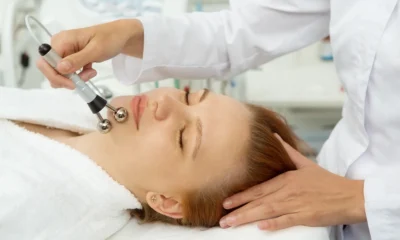
Many people also enjoy a professional facial as part of their routine. Salons such as Beauty by Ruth in Maghull offer facials that include cleansing, exfoliation, steam and extraction, which can leave skin feeling fresher. A facial is a nice complement to good skincare and any treatment you have been recommended, not a replacement for it.
When To See A Pharmacist Or GP
A pharmacist can suggest proven over-the-counter treatments such as benzoyl peroxide or salicylic acid. The NHS advises seeing a GP if self-treatment is not working, if spots are deep, painful or leaving scars, if you have signs of infection such as hot, swollen, red skin, or if acne is affecting your mental health.
Natural Remedies For Acne, Your Questions Answered
Is Tea Tree Oil Safe To Use On My Face?
Products made for the skin are usually fine, but some people get redness or irritation. Avoid undiluted oil and stop if your skin reacts.
Can Natural Remedies Cure Acne?
No remedy, natural or otherwise, can promise to clear acne. Severe acne usually needs prescription treatment.
Should I Change My Diet?
There is not enough evidence for a specific acne diet. Eating a healthy, balanced diet is sensible for your skin and overall health.
Keeping It Simple
A few natural options, particularly tea tree oil, may help mild spots if you are patient. Skip the risky shortcuts, keep your routine gentle, and ask a pharmacist or GP when acne is severe, scarring or affecting how you feel.
Find more beauty and lifestyle articles on Beyond The Garden Gates.