Garden & DIY
Choosing Wildflower Seeds For Your Garden
Thinking of sowing a wildflower patch? Here’s how to pick the right seed for your soil, when to sow it and why native British seed is the best choice.
This article contains affiliate links. If you buy through them we may earn a small commission at no extra cost to you. Find out more in our editorial and advertising policy.
With a little care in choosing wildflower seeds, a plain corner of lawn can become something buzzing with bees and butterflies. It also helps make up for what has been lost: Plantlife says 97% of the UK’s wildflower meadows have disappeared since the 1930s. Success depends mostly on choosing the right seed for your site, so here’s what to think about before you buy.
Decide Whether You Want Annual Or Perennial Flowers
Wildflower seed mixes generally fall into two groups, and they behave very differently.
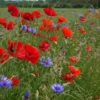
- Annual (cornfield) mixes include plants such as cornflowers, field poppies and corn marigolds. They complete their life cycle in one year, so they flower within months of sowing. The catch is that you may need to resow each year to get a repeat display.
- Perennial meadow mixes include plants such as ox-eye daisy, red campion and knapweed. The RHS says most take at least two years to flower well from seed, but then continue for years to come.
If you want quick, bright colour, an annual mix is the easier option. If you want a longer-lasting mini meadow, go perennial and be patient.
Choosing Wildflower Seeds For Your Soil And Light
This is where many wildflower projects go wrong. Most meadow flowers prefer poor soil. In rich ground, vigorous grasses and weeds tend to swamp them. The Wildlife Trusts advise against adding manure or fertiliser, as it encourages the grasses.
A few questions will help you choose:
- Is your soil rich? Former vegetable beds and well-fed borders are often fertile. The Wildlife Trusts suggest cornfield annuals for high-fertility soil.
- Is it sunny? The RHS says most wildflowers, especially cornfield annuals, need sun, though there are mixes for light shade.
- Is it heavy clay? Heavy soils that stay cold and wet over winter are better sown in spring.
- Is it lawn? The RHS notes that scattering seed into an existing lawn is rarely successful, because the established grass outcompetes it.
For a perennial meadow on fertile ground, the RHS explains that you can reduce fertility over time by removing the cuttings every time you mow.
Choosing Wildflower Seeds Of British Origin
The RHS recommends buying seed of British origin, especially for native wildflowers, and always from reputable suppliers. Check the packet or product description for the species list and where the seed was grown, rather than relying on a pretty picture.
Specialist seed companies make that easier by listing what goes into each mix. The native British wildflower seeds at Suttons include both annual cornfield and perennial meadow mixes, so you can compare them and check the species before you buy.
The Wildlife Trusts’ guide to growing a wild patch or mini meadow suggests species including:
- for spring: red campion, foxglove, primrose, cowslip, ox-eye daisy and wild thyme
- for summer: field scabious, bird’s-foot-trefoil, yarrow, devil’s-bit scabious, toadflax and viper’s bugloss
For a perennial meadow, look out for yellow rattle. Plantlife calls it the single most important plant for creating a wildflower meadow, because it is semi-parasitic and weakens vigorous grasses so other flowers can establish. The RHS suggests scattering its seed onto grass that has been cut short in late summer or autumn.
Keep Invasive Plants Out Of Your Garden And The Countryside
When choosing wildflower seeds, remember that a “wildflower” mix is not automatically a native one, so read the species list. Some non-native garden plants can spread and cause real harm. The RHS explains that it is an offence to plant or cause to grow in the wild any plant listed on Schedule 9 of the Wildlife and Countryside Act 1981. Examples include Japanese knotweed, giant hogweed, Himalayan balsam and Rhododendron ponticum.
The RHS also asks gardeners never to dump garden plants or clippings in the wild or at the roadside, and not to pass invasive plants on to other gardeners. Sticking to native species is the simplest way to be sure your meadow helps local wildlife rather than creating a problem.
Don’t be tempted to collect seed or dig up plants from the countryside either. The RHS points out that this needs the landowner’s permission, and collecting seed from certain rare or threatened species may be illegal.
When And How To Sow
The RHS’s guide to creating wildflower meadows gives early to mid-spring (March or April) or early autumn (September) as the best times to sow. The Wildlife Trusts prefer autumn sowing, except on heavy clay, where spring is better.
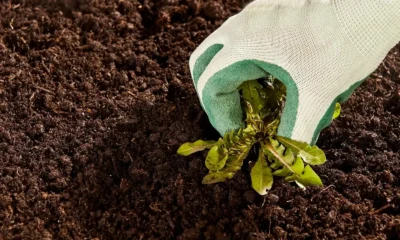
- Clear weeds, especially perennials such as nettles and docks, and remove large stones.
- Fork over the soil and rake it level. For a perennial meadow, the RHS suggests letting prepared ground settle for four to six weeks.
- Mix the seed with a few handfuls of dry sand so you can see where you’ve sown and spread it evenly.
- Sow at the rate on the packet. The RHS gives roughly 2g per square metre for a pure wildflower mix and 5g per square metre for a wildflower-and-grass mix.
- Press the seed in lightly with the back of a rake, but don’t bury it.
- Water gently with a fine spray if no rain is forecast.
According to the RHS, seedlings of a wildflower patch usually appear within two weeks, and annuals can flower in less than two months.
Looking After Your Wildflowers
In the first year, water seedlings weekly in dry weather and pull out vigorous weeds so they don’t take over. Annuals should be left to drop their seed.
For a perennial meadow, the Wildlife Trusts suggest cutting to 5–7cm whenever the growth reaches 10–20cm in the first year. After that, cut twice a year: once in late July or early August and again in early autumn. Leave the cuttings for a couple of days so seeds can drop, then rake them off to keep fertility low.
Getting Started
- Pick a sunny spot and check whether your soil is rich, poor or heavy.
- Choose an annual mix for fast colour on rich soil, or a perennial mix with yellow rattle for a lasting meadow.
- Buy native seed of British origin from a reputable supplier and check the species list.
- Sow in spring or autumn (spring on heavy clay), mixed with sand for even coverage.
- Be patient: perennial meadows take a couple of years to get going.
Once you’ve finished choosing wildflower seeds, take a look at our garden and DIY guides for more practical projects.
Looking for your next garden job? Browse more guides on Beyond The Garden Gates.