Garden & DIY
How To Make A Bug Box For Your Garden
A bug box gives ladybirds, woodlice, solitary bees and other minibeasts somewhere to shelter. Here is how to build one from garden odds and ends.
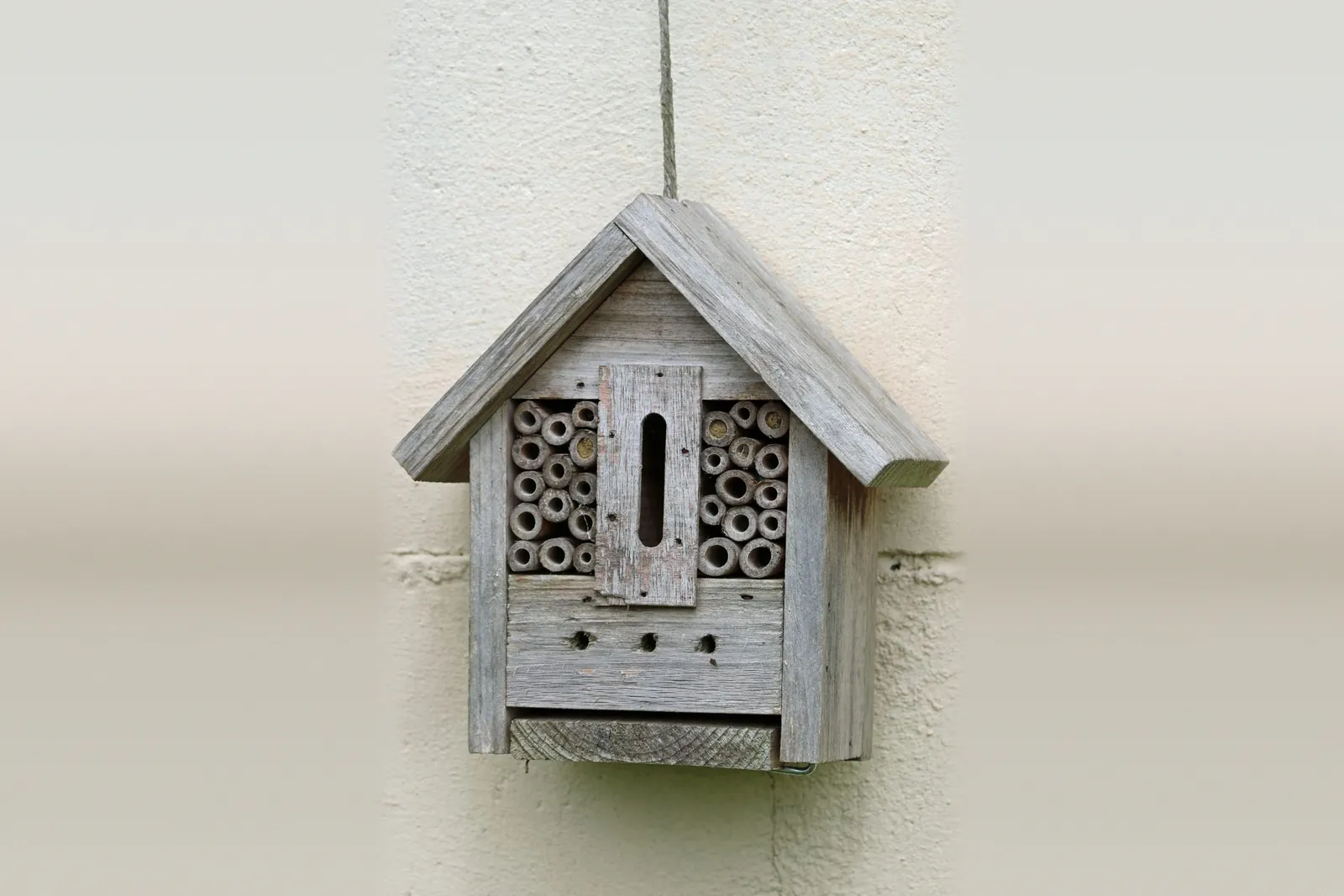
When you make a bug box, often called a bug hotel, you create a small shelter packed with natural materials where insects and other minibeasts can hide, nest and spend the winter. It is cheap to do, uses up garden bits and pieces you might otherwise throw away, and is a brilliant project to do with children.
You can build a compact box for a corner of the patio or go bigger with stacked pallets. Either way, the principle is the same: lots of different nooks and crannies for lots of different creatures.
What You Will Need To Make A Bug Box
Most of the materials can be gathered from the garden or saved from the recycling. The Wildlife Trusts suggest a mix of:
- A sturdy frame: an untreated wooden box or crate for a small hotel, or old wooden pallets for a larger one
- Bricks to raise the base off the ground
- Dead wood and logs, ideally with the bark still on
- Hollow stems, such as old bamboo canes or bramble stems
- Dry sticks, twigs and pine cones
- Stones, roof tiles and broken terracotta pots
- Straw, hay, dry leaves and loose bark
- Corrugated cardboard
You may also want a saw, a drill, secateurs and some screws, depending on how you build the frame.
Which Fillings Suit Which Creatures
Different materials attract different wildlife, so variety is the aim. The Wildlife Trusts’ bug mansion guide gives these pointers:
- Solitary bees: hollow stems, such as old bamboo canes, or holes drilled into blocks of wood.
- Ladybirds: bundles of dry sticks, which make good places to hibernate.
- Lacewings: corrugated cardboard rolled into a cylinder and slipped inside something waterproof, such as a plastic bottle.
- Centipedes and woodlice: dead wood with loose bark, where they shelter in the crevices.
- Beetles: dead wood, which is essential for the larvae of wood-boring beetles.
- Frogs and toads: stones and tiles in the centre of the structure, which stay cool and damp.
For bee tubes, the Wildlife Trusts suggest a range of holes from 2 to 10mm across, with 3 to 5mm a popular size. Stems of other sizes still offer shelter to other insects.
Choosing The Right Spot
Where you put your bug box matters as much as what goes in it. The RSPB advises siting a hotel on firm, level ground. Different creatures prefer different conditions: woodlice like cool, damp spots, while solitary bees prefer the sun. The Wildlife Trusts suggest a position where part of the structure catches the sun and the rest sits in shade under a tree or near a hedge.
The RSPB also suggests keeping it away from vegetable beds, so you are not inviting slugs to live next to your crops. If you add a separate section for solitary bees, fix it to a sunny wall, sheltered from rain. Planting nectar-rich flowers nearby gives your visitors something to feed on.
How To Make A Bug Box
A Small Box Version
- Prepare the frame. Use an untreated wooden box or crate. If you need to cut or drill wood, an adult should do this part.
- Raise it up. Stand the box on a couple of bricks so the base stays dry and small creatures can get in underneath.
- Add the heavy materials first. Place logs, stones, tiles and broken pots at the bottom to give a stable base and a cool, damp area.
- Fill in with smaller materials. Pack hollow stems, bundles of twigs, pine cones, rolled cardboard and bark into the gaps. Group similar materials together and pack them tightly so nothing falls out.
- Keep the top dry. Position the box so rain cannot soak the contents, for example under an overhang or with a simple sloping lid.
Going Bigger With Pallets
If you have room, a pallet hotel can host far more wildlife. The RSPB’s bug hotel guide suggests laying bricks as corner supports, leaving gaps for access, then stacking three or four pallets on top, keeping the whole thing to around a metre high. Larger gaps at the bottom may even be used by hedgehogs.
Pallets are heavy, so lift them with two people and secure each one to the one below, as the Wildlife Trusts recommend, so the stack cannot topple. A build like this takes a few hours.
Safety Tips When You Make A Bug Box With Children
- Keep saws, drills and secateurs in adult hands, and store them away when not in use.
- Wear gardening gloves when handling rough wood, bricks and broken pots, which can have sharp edges.
- Check pallets for protruding nails or splinters before you start.
- Keep the structure low and stable, and do not let children climb on it.
- Wash hands after handling soil, wood and garden materials.
Looking After Your Bug Box
Try not to disturb the box over winter, when many residents will be hibernating. Natural materials will rot down over time, so top up with fresh twigs, cones and leaves when needed. The Wildlife Trusts recommend cleaning bee hotels once a year to remove any build-up of fungi, debris and parasites.
Learning to make a bug box is just one way to make your garden friendlier to wildlife. If birds visit your garden too, our guide to dangers to garden birds covers some common hazards to look out for.
Getting Started
- Collect twigs, cones, hollow stems, bark and broken pots over a few weeks.
- Find a firm, level spot with a mix of sun and shade, away from the veg patch.
- Build from heavy materials up, packing smaller fillings tightly.
- Keep the contents dry and leave the box undisturbed in winter.
Looking for your next garden job? Browse more guides on Beyond The Garden Gates.