Garden & DIY
Hidden Dangers To Garden Birds And Simple Ways To Protect Them
Dirty feeders, badly timed hedge cutting, the wrong food, windows, netting, poisons and cats all put garden birds at risk. Here’s how to reduce each one.
Most of the dangers to garden birds are ones we create without noticing, from a feeder that hasn’t been cleaned in weeks to a hedge trimmed at the wrong time of year. The good news is that nearly all of them are easy to fix once you know what to look for.
This guide covers the main risks in a typical UK garden and the simple changes that make the biggest difference, based on advice from the RSPB, the BTO and Garden Wildlife Health.
Disease Is One Of The Biggest Dangers To Garden Birds
When lots of birds gather at the same feeder or birdbath, infections pass between them easily. The most serious in UK gardens is trichomonosis, a parasite that spreads through food or drinking water contaminated by an infected bird, and between birds feeding one another regurgitated food in the breeding season.
According to the Garden Wildlife Health trichomonosis factsheet, the UK breeding greenfinch population fell from around 4.3 million to around 1 million birds, a 77% decline and the largest mortality of British birds from infectious disease on record. Chaffinches, house sparrows, goldfinches and siskins can also be affected, along with pigeons and doves.
Signs Of A Sick Bird
- Lethargy and fluffed-up feathers
- Drooling, regurgitating food or struggling to swallow
- Wet, matted feathers around the face and beak
If you see birds like this, Garden Wildlife Health advises stopping feeding for at least two to four weeks so birds disperse, and leaving birdbaths empty during that time. Don’t touch sick or dead birds, and report them to Garden Wildlife Health.
Feeder Hygiene And Safe Food
The RSPB’s latest guidance on feeding garden birds recommends cleaning feeders and water baths at least once a week with hot soapy water and a non-toxic disinfectant. A few other habits help too.
- Change birdbath water daily with fresh tap water.
- Move feeders regularly so droppings and old food don’t build up underneath.
- Avoid flat feeders and bird tables, as disease spreads more easily on flat surfaces.
- Put out small amounts, enough for 24 to 48 hours, so food doesn’t sit and spoil.
- Wear gloves when cleaning and wash your hands afterwards.
Feeding With The Seasons
Because trichomonosis has driven serious declines in greenfinches and chaffinches, the RSPB now suggests pausing seeds and peanuts from 1 May to 31 October. Small amounts of mealworms, fat balls or suet are still fine in that period, and the full range of foods can go back out from November to April.
What About Bird Flu?
The RSPB says garden birds currently appear relatively unaffected by avian flu, with waterfowl and gulls far more susceptible. Its advice is to avoid feeding ducks, geese, swans and gulls during outbreaks, because it encourages them to gather.
Foods That Can Harm Birds
Kitchen scraps feel generous, but some do more harm than good. The RSPB advises against:
- Salted food, which dehydrates birds.
- Cooked food and leftovers, which can attract rats.
- Loose peanuts. Keep them in a proper feeder so birds can only take small pieces.
- Bread and other dry, hard foods in spring and summer, as parents may carry them back to the nest where chicks can choke.
- Mouldy food of any kind.
Never hang peanuts or fat balls in mesh bags. Birds can trap their feet in the mesh and break toes or legs. Homemade fat balls can also melt in warm weather, so save them for colder months.
Nesting Season, Hedges And Bird Boxes
All wild birds, their nests and eggs are protected by the Wildlife and Countryside Act 1981. As the RSPB’s nests and nestboxes page explains, it is illegal, with certain exceptions, to deliberately take, damage or destroy the nest of any wild bird while it is being built or in use.
When To Cut Hedges
The main nesting season runs from March to September, so the RSPB recommends cutting hedges between 1 September and 28 February. Even then, check carefully first, because some birds start nesting in January or February and others carry on into September.
Cleaning Out Nest Boxes
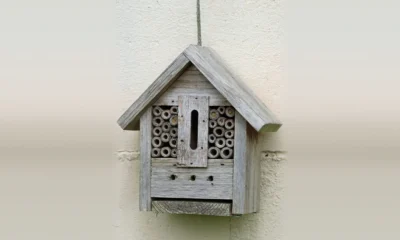
Clean boxes in autumn, from September onwards, once you are sure they are no longer in use. Remove the old nest, pour boiling water inside to kill parasites and let the box dry out fully. Don’t use insecticides or flea powders, as these can harm chicks. Unhatched eggs can only legally be removed between September and January (August to January in Scotland).
When putting up a box, skip the perch on the front, which helps intruders more than the birds.
Windows, Netting And Other Hidden Dangers To Garden Birds
Glass Collisions
Birds don’t understand reflections, so plants outside a window or houseplants just behind it can look like a safe place to land. The RSPB Belfast Local Group suggests partly closing blinds during the day and using several window decals or tape rather than a single silhouette, which won’t work alone. If a bird is stunned, put it somewhere dark and quiet, such as under a bush, to recover.
Loose Netting
Netting over fruit, vegetables or hedges traps birds when it is flimsy, sagging or has gaps. The RSPB advises against flimsy netting and says netting on trees and hedges should be checked at least once a day, ideally three times, to make sure it hasn’t become loose or damaged.
Slug Pellets And Rat Poison
Metaldehyde slug pellets have been illegal to sell and use in Great Britain since April 2022, because birds and mammals can be poisoned by eating pellets or contaminated slugs. Rat poison is another hidden risk. A BTO study found at least one second-generation anticoagulant rodenticide in 81% of sparrowhawks tested, probably from eating songbirds that had fed at bait points. The Health and Safety Executive notes that anticoagulant rodenticides carry a higher risk to non-target animals than is normally acceptable, so tackling spilled food and rat access first is the safer option.
Cats And Other Predators
The Mammal Society estimates that UK pet cats catch up to 27 million birds a year. If you own a cat, a few steps help.
- Try a bell or bright collar. Studies suggest bells can reduce hunting success, though some cats learn to muffle them.
- Keep your cat in at night, or consider an enclosed outdoor space.
- Place feeders sensibly, around two metres from thick cover so small birds can escape but cats can’t ambush them.
- Protect nest boxes with spiky clippings such as rose or gorse above and below the box.
Common Questions
Should I Stop Feeding Garden Birds In Summer?
The RSPB suggests pausing seeds and peanuts from May to October to reduce the spread of trichomonosis, while still offering small amounts of mealworms, fat balls or suet.
Is It Illegal To Cut A Hedge In Spring?
Cutting a hedge isn’t illegal in itself, but damaging or destroying an active nest is. That’s why the RSPB advises cutting between September and February and always checking first.
Can I Use Bleach On Bird Feeders?
Garden Wildlife Health suggests a weak solution of domestic bleach for disinfecting feeders. Rinse thoroughly and let everything dry before refilling.
What Should I Do If I Find A Dead Bird In My Garden?
Don’t touch it, keep pets away and report it to Garden Wildlife Health so experts can track disease.
Small Changes That Add Up
Cutting the dangers to garden birds rarely needs money or special equipment. Weekly cleaning, the right food at the right time, well-timed hedge cutting and a little thought about cats, glass and chemicals will make your garden a far safer place. For more ideas on gardens, homes and wildlife, explore Beyond The Garden Gates.