Lifestyle
Caring For An Older Dog As The Walks Grow Slower
From stiff joints to fading hearing, a warm look at the later years with a dog, and the small changes to walks, food and home that keep them comfortable.
Caring for an older dog rarely begins with a single moment. It creeps up on you. The dog who once met you at the door now lifts her head from the bed and thumps her tail instead. The morning walk that used to drag you to the far field now ends at the second bench. None of this is sad in itself. It is simply a different chapter, and with a little attention it can be one of the gentlest and most rewarding of all.
What follows draws on advice from the UK’s leading animal welfare charities. It is not a substitute for your own vet, who knows your dog. Think of it as a way of seeing the later years more clearly.
When Does A Dog Become Old?
There is no birthday when a dog turns senior overnight. Dogs Trust says dogs over seven can be considered senior, and those over twelve geriatric. Size plays a part. Smaller breeds tend to live longer than larger ones, and Blue Cross notes that small dogs may not show signs of old age until around nine or ten.
So a Great Dane and a Jack Russell of the same age may be living quite different lives. The number matters less than what you see in front of you.
Signs To Watch For When Caring For An Older Dog
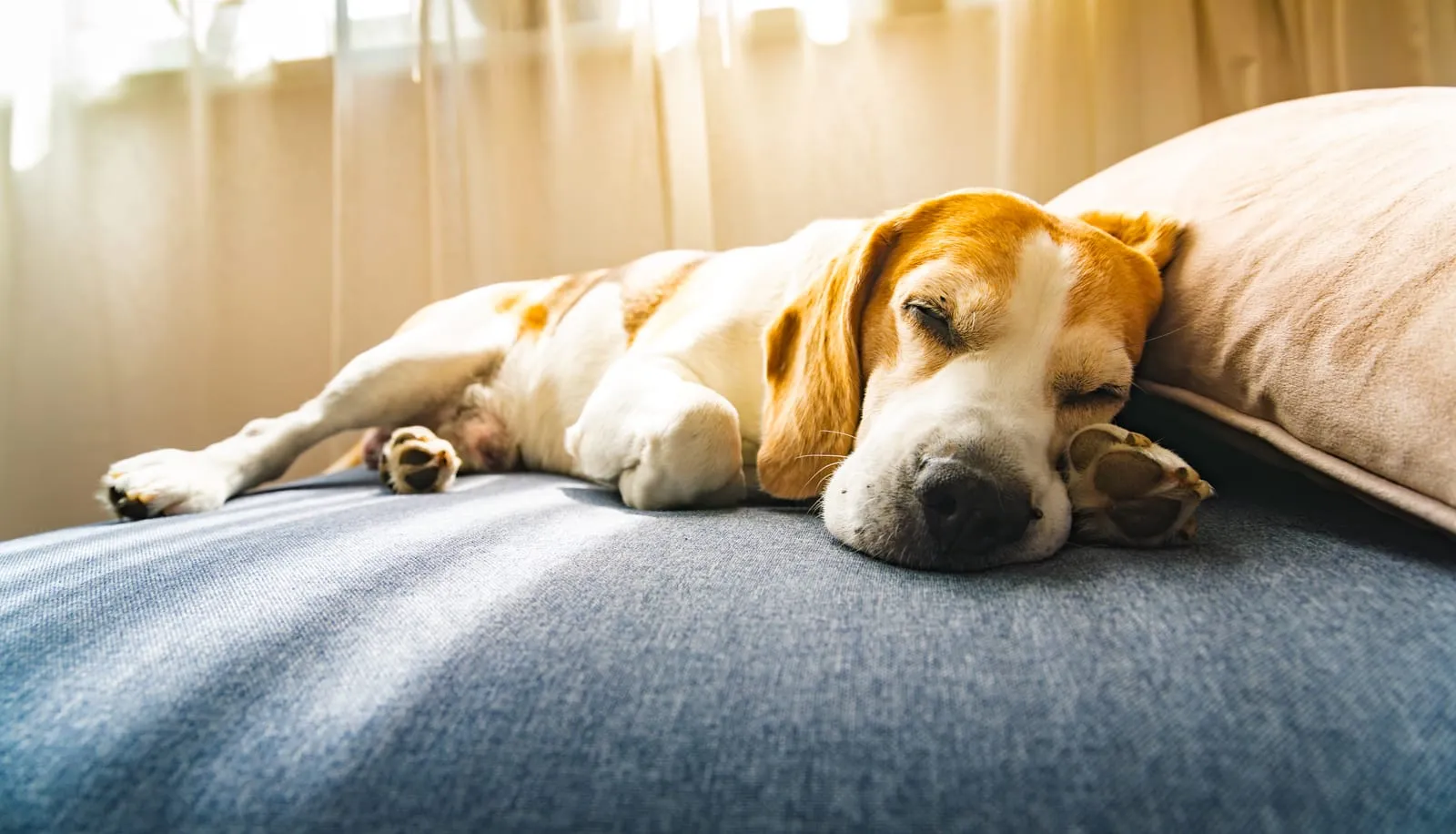
The early signs are easy to miss because they arrive so slowly. According to Blue Cross, ageing dogs often have a duller coat, weaker hearing and eyesight, stiffer joints and a greater need for sleep. You might notice a pause at the bottom of the stairs, or a reluctance to jump into the car.
The RSPCA advises talking to your vet if your dog seems stiff or struggles with things like getting out of bed or climbing stairs. Stiffness is common, but it is not something a dog simply has to put up with.
Teeth deserve a look too. Blue Cross lists inflamed gums, bad breath and difficulty eating as signs of dental trouble. A dog who drops food or chews on one side may be telling you something.
Hearing loss often shows up as what looks like stubbornness. The dog who ignores the lead being picked up may no longer hear it. Blue Cross points out that hearing loss is often permanent, so the kindest response is to adapt. Dogs Trust suggests finding other ways to communicate with a deaf dog, such as hand signals.
Some older dogs become confused. They may seem lost in familiar rooms, bark more, or have accidents indoors. Blue Cross describes these as possible signs of cognitive dysfunction, a form of doggy dementia. The RSPCA recommends asking your vet to rule out other medical causes first, since changes in behaviour can have several explanations.
Slower Walks And Softer Floors
Exercise still matters, perhaps more than ever. Gentle activity helps to keep weight down, joints moving and minds busy. The shift is in the shape of it. Dogs Trust suggests letting your dog set the pace and swapping long hikes for frequent short walks. The RSPCA puts it neatly as “little and often”.
There is a quiet pleasure in this slower rhythm. A ten-minute amble with plenty of time to sniff the hedgerow can satisfy an older dog far more than a brisk march. Let the nose lead.
Indoors, the home may need a few changes. Smooth floors can be hard on stiff legs, and the RSPCA recommends putting down a rug or carpet. Blue Cross mentions non-slip mats, soft bedding, ramps for furniture or the car, and baby gates to keep a dog away from stairs they can no longer manage safely.
For a dog whose eyesight is fading, familiarity is everything. Dogs Trust advises against moving furniture around, and Blue Cross suggests clearing trip hazards and keeping a dog on the lead outdoors if their vision is poor.
Food, Weight And Comfort
An older dog’s body often needs a different balance of nutrients. Dogs Trust recommends a complete senior diet, served as smaller meals two or three times a day. Raised bowls can help a dog with a sore neck or back.
Weight can drift in either direction. Blue Cross suggests weighing your dog monthly, reducing food for a dog who is gaining and speaking to your vet about one who is losing. The RSPCA adds that any change of diet should be discussed with your vet first and made gradually, to avoid an upset stomach.
Comfort also comes from touch. Dogs Trust notes that daily grooming is good for the coat and a chance to spot any new lumps. Many older dogs come to love this quiet time with their owner.
Why Vet Check-Ups Matter More Now
Regular health checks are one of the kindest parts of caring for an older dog. Dogs Trust describes twice-yearly check-ups as essential for an ageing dog. These visits give your vet a chance to catch problems early, when there are often more options for keeping a dog comfortable.
It helps to arrive with notes. Jot down anything new, such as a change in appetite, drinking, sleep or toilet habits. Small details can help your vet to see the bigger picture.
Thinking Ahead When Caring For An Older Dog
Part of caring for an older dog is accepting that one day there will be harder decisions to make. Thinking about them gently, well before they arrive, means they need not be made in a rush or in a state of panic.
The PDSA offers a helpful way of thinking about quality of life. It looks at pain, mobility, eating and drinking, toileting, grooming and behaviour. One useful question is whether a pet is having more bad days than good. The charity suggests keeping a diary over weeks or months, and listing your dog’s favourite things to see whether they can still enjoy them.
The PDSA also reminds owners that a vet only sees a pet during an appointment. You are the one who sees the everyday, so your observations matter. Talking openly with your vet about quality of life, even while your dog is still doing well, can make later conversations feel less daunting.
Some families also find comfort in quietly deciding what they would like to happen afterwards. That might mean thinking about whether a vet visit at home would suit their dog, and about cremation. Local services such as Heavenly Pastures Pet Cremations in West Lancashire explain the options and how arrangements can be made in advance. Having those details settled can leave more room for simply being together.
Making The Most Of The Later Years
Older dogs have a particular kind of charm. They know the household rhythms by heart. They are content with a warm spot, a familiar voice and a short wander. Caring for an older dog is less about grand gestures and more about paying attention, adjusting as you go and keeping them comfortable and close.
For more gentle reading on home, garden and the animals we share them with, visit Beyond The Garden Gates.