House & Home
Laundry Symbols Explained And What Each Care Label Means
What the wash tub, bleach triangle, drying square, iron and dry cleaning circle mean on your care labels, including the dots, bars and crosses.
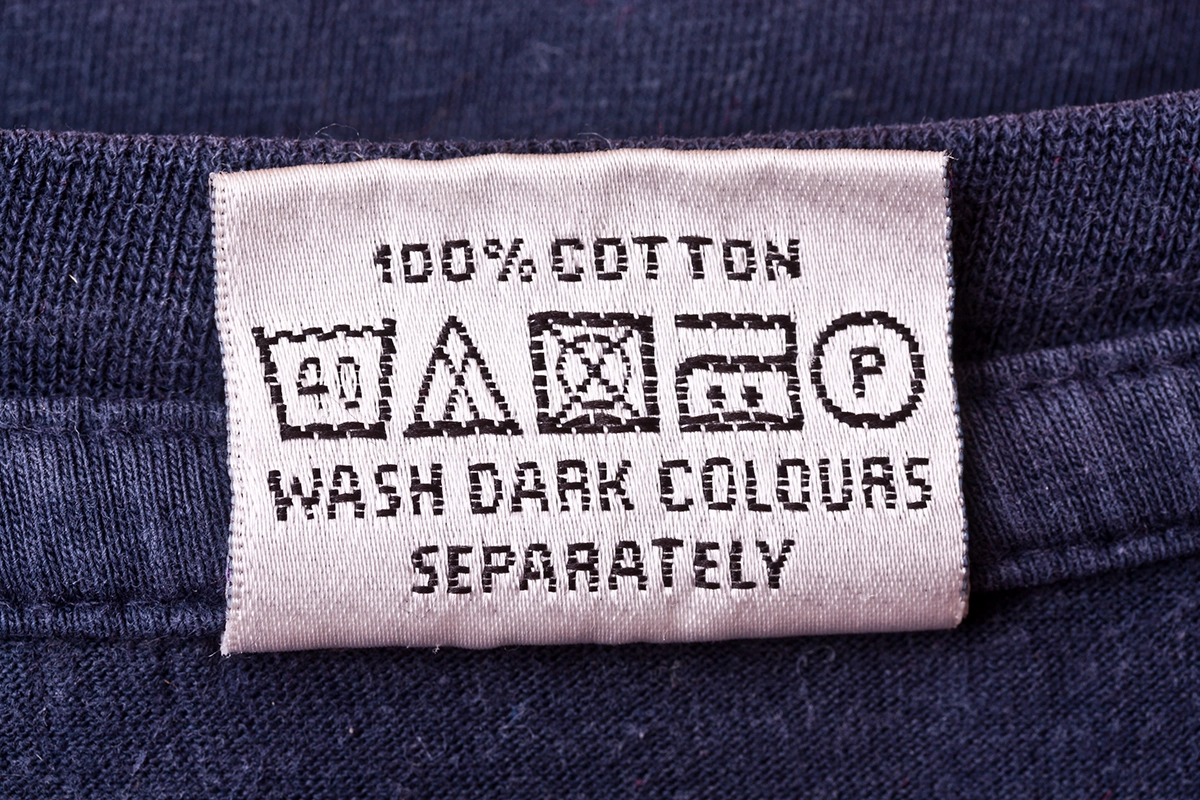
Care labels can look like a secret code, but once you know the pattern they are easy to follow. This guide has laundry symbols explained family by family, from the wash tub to the dry cleaning circle, so you can wash, dry and iron each garment without shrinking, fading or scorching it.
Laundry Symbols Explained In Five Families
The care symbols used on UK clothing follow an international system (ISO 3758) promoted by GINETEX, the international association for textile care labelling. There are five basic symbols:
- Wash tub: washing.
- Triangle: bleaching.
- Square: drying, including tumble drying.
- Iron: ironing.
- Circle: professional cleaning.
Three details change their meaning. A cross through any symbol means “do not”. Bars underneath mean a gentler process. Dots show heat, with more dots meaning a higher temperature.
Washing Symbols And The Wash Tub
The number inside the wash tub is the maximum temperature in degrees Celsius. It should not be exceeded, but you can always wash cooler if the load is only lightly soiled.
- Tub with a number (for example 30, 40 or 60): machine wash at up to that temperature on a normal cycle.
- One bar under the tub: a milder cycle with less mechanical action, such as a synthetics programme.
- Two bars under the tub: a very mild cycle, such as a wool programme.
- Hand in the tub: hand wash only, no hotter than 40°C.
- Crossed-out tub: do not wash. The item may be damaged by any wet treatment or be too large for a home machine.
When hand washing, the guidance is to dissolve a fine detergent in plenty of water first, move the item gently, and avoid rubbing, pulling or wringing. For help choosing a setting within the limit, see our guide to what temperature to wash clothes at.
Bleaching Symbols And The Triangle
- Empty triangle: any bleach can be used, chlorine or oxygen-based.
- Triangle with two diagonal lines: oxygen bleach only, the type found in many everyday detergents. Do not use chlorine bleach.
- Crossed-out triangle: do not bleach. Use a bleach-free detergent.
Drying Symbols And The Square
Tumble Drying
A circle inside the square means the item can be tumble dried. The dots tell you how much heat it can take.
- Two dots: normal tumble drying at a normal temperature.
- One dot: tumble dry on a low heat, gentler setting.
- Crossed-out square with circle: do not tumble dry.
Natural Drying
A square with lines inside it, rather than a circle, shows how to dry the item naturally. The lines tell you whether to hang it on a line, hang it up dripping wet, or lay it flat. Diagonal lines in the corner add “in the shade”.
- Line drying: suits most colourfast clothes.
- Drip drying: hang up while still wet, useful for large colourfast items you want to dry without creases.
- Flat drying: lay flat to keep the shape, typical for heavy knits and woollens.
- In the shade: keep out of direct sun, often for silk and items that are not colourfast.
Ironing Symbols And What The Dots Mean
The dots inside the iron show the maximum temperature of the soleplate. Choose the setting from the label, not from what you think the fabric is.
- One dot (up to 120°C): a cool iron, matching the acrylic, nylon and acetate setting. Steam may cause permanent damage.
- Two dots (up to 160°C): a medium iron, matching the wool, silk, polyester and viscose setting. Use a slightly damp pressing cloth; a steam iron can be used.
- Three dots (up to 210°C): a hot iron for cotton and linen, ideally while the fabric is still slightly damp. A steam iron can be used.
- One-dot iron marked “no steam”: some labels use this variation, meaning iron at the low setting without steam.
- Crossed-out iron: do not iron, as the fabric could be permanently damaged.
Professional Cleaning Symbols And The Circle
The circle is really a message for your dry cleaner, but it is still useful to know what it means.
- Circle with P: can be professionally dry cleaned in perchloroethylene or hydrocarbon solvents.
- Circle with F: can be professionally dry cleaned in hydrocarbon solvents only.
- Circle with W: suitable for professional wet cleaning.
- Bar under the circle: a milder process is needed, with limits on movement, moisture or drying temperature.
- Crossed-out circle: do not dry clean, and avoid solvent-based stain removers.
An item can have a washing symbol and a professional cleaning symbol at the same time. If the tub is crossed out and only the circle is shown, take it to a professional cleaner rather than risking it at home.
When To Call An Engineer
If your washing machine or tumble dryer no longer seems to reach the temperature you selected, or clothes are being damaged even though you follow the label, the appliance may have a fault. Unplug it before checking anything, and keep to basic user maintenance such as cleaning filters. For problems beyond that, local firms such as Appliance Repair Men, who offer appliance repairs in Maghull and across Merseyside and West Lancashire, can check it safely.
Laundry Symbols Explained In A Quick Checklist
Keep these laundry symbols explained in mind and read the whole row before you wash. A cotton shirt might allow a 40°C wash but no tumble drying, while a jumper might need two bars under the tub, no bleach and flat drying. Checking all five symbols takes seconds and saves a lot of shrunken knitwear.
Once you can read the label, sorting gets easier too. Our guide on how to care for your clothes covers sorting, detergent and drying in more detail.
- Tub: the number is the maximum wash temperature; bars mean gentler.
- Triangle: empty for any bleach, lines for oxygen bleach only, cross for none.
- Square: circle for tumble dry, dots for heat, lines for natural drying.
- Iron: one, two or three dots for cool, medium or hot.
- Circle: letters are for your dry cleaner; a cross means no dry cleaning.
With these laundry symbols explained and the five families memorised, any care label becomes quick to read. You will find more practical home guides at Beyond The Garden Gates.