Garden & DIY
Planting Spring Bulbs Now For Colour From February
Early October is the moment to get daffodils and crocus into the ground, with tulips to follow. Here is how timing, depth and a little planning bring colour from February.
This article contains affiliate links. If you buy through them we may earn a small commission at no extra cost to you. Find out more in our editorial and advertising policy.
Planting spring bulbs is one of the few garden jobs where a wet afternoon in October pays you back in February. The borders are tired and the light is going. Yet a bag of dry, papery bulbs holds the first colour of next year, and this is the week to get them into the ground.
No great skill is needed. What matters is timing, depth and a little forethought about pots, lawns and the wildlife that will either enjoy your bulbs or dig them up.
Why Early October Is The Moment For Planting Spring Bulbs
The RHS bulb growing guide puts the window for spring-flowering bulbs in September and October, and adds that earlier is better. Bulbs planted now have time to put down roots while the soil still holds some summer warmth. That root growth is what carries them through winter and pushes up flowers the moment the days lengthen.
So if you missed September, you have not missed the boat. You are, however, at the point where waiting another month starts to cost you. The exception is tulips, which are happier going in later, and that sets up the natural order for the weeks ahead.
The Order Of Play, From Snowdrops To Tulips
Think of planting spring bulbs as a short relay. Daffodils come first; the RHS suggests early autumn, ideally September, so any still in the shed should go in this week. Crocuses follow in the same autumn push. Both reward you quickly. Crocuses flower in February and March, while the daffodil season runs from February to early May, depending on the type you choose.
Snowdrops are the awkward runner. The RHS prefers them planted “in the green” just after flowering, because dry snowdrop bulbs are very prone to drying out. If dry bulbs are your only option, buy them as soon as you see them and plant immediately.
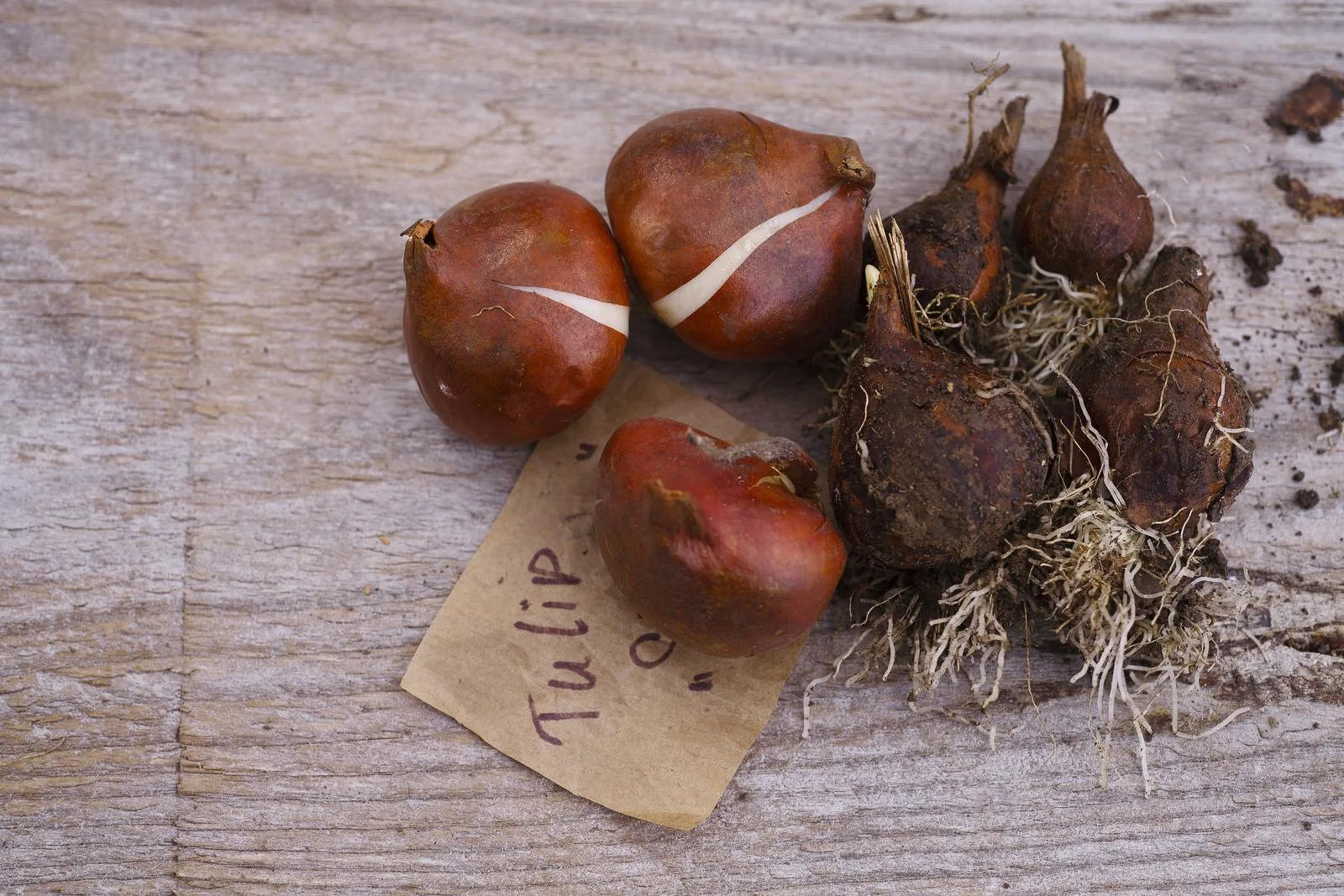
Tulips bring up the rear. The RHS recommends October and November, so they can wait until the first frosty mornings. To plan the whole sequence at once, the spring flowering bulb range at Suttons runs from snowdrops and crocus through to late tulips.
Depth, Drainage And The Squirrel Problem
The rule of thumb is easy to remember. Plant most bulbs at a depth equal to three times their own height. A bulb five centimetres tall therefore sits in a hole fifteen centimetres deep. Tulips can go two to three times their height, spaced at least twice their width apart. For spring crocus species, the RHS gives 7–10cm, and a little deeper for the larger Dutch hybrids.
Most bulbs want sun and free-draining soil. Heavy, wet ground is where they tend to sulk or rot, so pick your spot with that in mind.
Then there are the squirrels. The RHS warns that they may dig up and eat bulbs, crocuses and tulips included. A sheet of chicken wire laid over the soil surface helps, and can be lifted once the leaves emerge. In pots, wire stretched across the top does the same job.
Pots Or Borders For Planting Spring Bulbs
Planting spring bulbs in borders gives them room to settle in and return year after year. Pots give you control. You can put colour by the back door, move a display into view as it peaks and start again next autumn.
The RHS advice for containers is to use pots with drainage holes and peat-free multipurpose compost, adding grit if drainage needs help. Bulbs can be planted less deeply and packed more closely than in the ground for greater impact. The catch is that potted bulbs flower less well in their second year, so most are best treated as a one-season show and replaced.
Layering stretches that show. Later flowers such as tulips go at the bottom, with earlier bulbs near the surface. One pot then moves from crocus to tulip over several weeks. The spring bulb selection from Dobies includes daffodils, crocus and tulips that suit this kind of stacked planting.
Letting Bulbs Run Wild In The Lawn
Bulbs in grass have a charm that formal beds rarely match. The RHS guide to naturalising bulbs in grass recommends crocus, daffodils and snowdrops. Dutch crocus are the top choice under a lawn, and smaller daffodils such as ‘Tête-à-tête’ suit short grass.
The trick is to avoid rows. Scatter the bulbs over the area and plant each one where it lands, using a trowel or bulb planter to the same three-times-depth rule. Replace the plug of turf on top and walk away.
The harder discipline comes in spring. Leave at least six weeks after flowering before mowing, and ideally wait until the foliage turns yellow and straw-like. Crocus finish sooner, which makes them easier to live with in a lawn you want to cut. If the idea of a looser, unmown patch appeals, it pairs naturally with choosing wildflower seeds for your garden to carry the effect into summer.
Early Flowers For Hungry Bees
Colour is only half the reward of planting spring bulbs. The RHS points out that bulbs planted in autumn bring nectar for pollinators when little else is in bloom. Early in the year, a patch of open crocus can be one of the few meals on offer.
The RHS ran its Bumbles on Blooms project from February to May, asking gardeners to record which flowers bumblebees visited. As the RHS reported when it urged gardeners to plant crocus bulbs now to boost bumblebees, crocuses were among the top five plants reported. White-petalled flowers drew more visits than any other.
That makes white or pale crocus a sensible choice if pollinators are part of the plan. They also do well in pots, which helps if you have little border space. The crocus bulbs at YouGarden are worth a look, as the range can be filtered for RHS Perfect for Pollinators plants.
An Afternoon Now, A Garden Awake In February
Bulbs ask very little. Get daffodils and crocus into the ground in the next week or two. Keep the tulips for later in the autumn and remember the three-times-depth rule. Choose an open, well-drained spot, keep the wire handy for squirrels and leave a few in the lawn for the bees.
By the time the first crocus opens on a cold February morning, the effort will be long forgotten. For more seasonal ideas from the garden and beyond, keep reading Beyond The Garden Gates.