Lifestyle
How A Back Facial Works And Who It Suits
What happens during a back facial, who it can suit, how to look after your skin afterwards and when back spots are better checked by a GP or pharmacist.
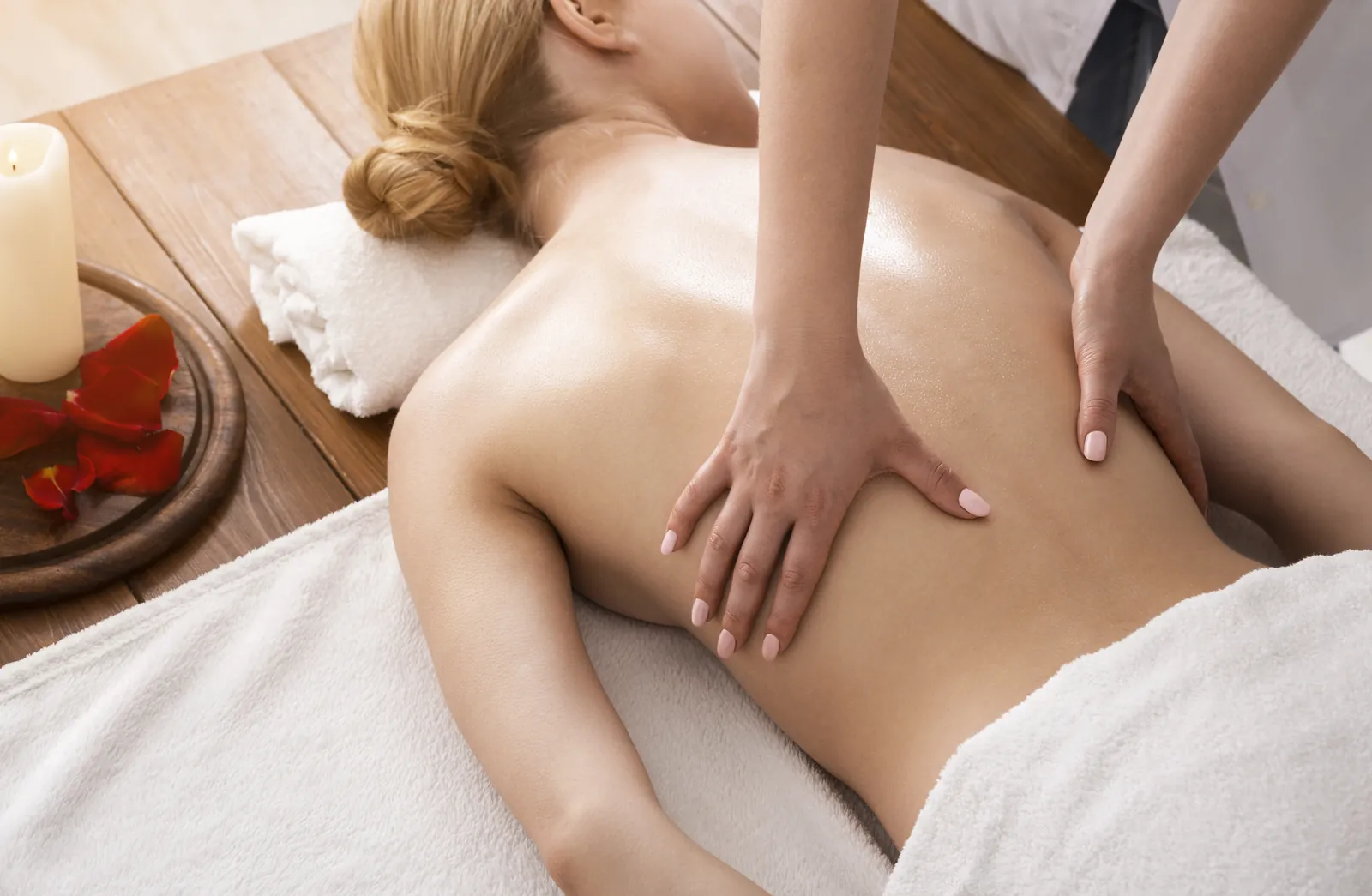
A back facial is a salon treatment that gives the skin on your back the same cleanse, exfoliation and care you might book for your face. It is sometimes called a bacial, and it covers an area that is almost impossible to look after properly on your own.
Here is what usually happens during the treatment, who tends to book one, how to care for your skin afterwards and when back spots need medical advice rather than a salon visit.
What Is A Back Facial?
Your back spends much of the day under clothing, straps and bags, and it is hard to reach, so it rarely gets more than a quick wash in the shower.
A back facial brings the steps of a professional facial to this area. The aim is to leave the skin feeling clean, smooth and comfortable. It is a cosmetic, pampering treatment, not a medical one.
What Happens During A Back Facial
Treatments vary between salons, but most include some version of the following steps.
Consultation
Your therapist asks about your skin, any products or medicines you use and anything you would like them to focus on, such as dryness or blackheads.
Cleanse
The skin is cleansed to remove sweat, oil and product build-up so later steps work on a clean surface.
Steam And Exfoliation
Warm steam softens the skin, then a scrub or exfoliating product lifts away dry, dead cells.
Extractions
The therapist gently clears blackheads using clean, careful technique. This is one step where a trained pair of hands makes a real difference, as squeezing spots yourself can cause scars.
Massage And Moisture
Most treatments finish with a relaxing massage and a moisturiser or mask suited to your skin.
As an example of how salons put this together, Beauty by Ruth in Maghull has described its bacial as a cleanse, steam, scrub, blackhead extraction and back massage. It is worth asking any salon exactly what its treatment includes before you book.
Who A Back Facial Can Suit
- Dry or flaky skin. Exfoliation and moisturiser can leave rough patches feeling softer.
- Blackheads and occasional spots. Professional cleansing and extractions can help the skin look clearer.
- Before a holiday or event. Many people book one before wearing backless or strappy outfits.
- Anyone who carries tension. The massage element makes it a relaxing treatment in its own right.
It may not be right for you if the skin on your back is sunburnt, broken or cut, as exfoliating over these areas is best avoided. Let your therapist know if you are using acne treatments such as retinoids or benzoyl peroxide, since the American Academy of Dermatology notes that these can make skin more sensitive to exfoliation.
Preparing For Your Appointment
A little preparation helps your therapist do a better job and keeps your skin comfortable.
- Mention any medicines and skin products. Prescription acne treatments, retinoids and strong exfoliants can all change how your skin reacts.
- Avoid sunburn and fake tan beforehand. Exfoliation over sunburnt skin is best avoided, and a fresh tan may lift unevenly.
- Skip heavy body oils on the day. Clean skin makes the cleansing step easier.
- Bring a loose top. Something soft and breathable is more comfortable to wear home over freshly treated skin.
If you have any rashes, cuts or sore patches on your back, let the salon know when you book. They may suggest waiting until the skin has healed.
Aftercare For Your Back
A little care over the next few days helps your skin settle.
- Wear loose, breathable clothing, especially when exercising.
- Avoid picking or squeezing any spots that appear.
- Choose body lotions and sunscreens labelled non-comedogenic, which are less likely to block pores.
- Give scrubs a rest for a few days so you do not over-exfoliate.
- Protect your back from strong sun, as freshly exfoliated skin can feel more sensitive.
When Back Spots Need A GP Rather Than A Salon
The NHS explains that acne usually affects the face, chest and back. Mild spots can often be helped with over-the-counter products from a pharmacy, and a pharmacist can suggest treatments containing ingredients such as benzoyl peroxide or salicylic acid.
The NHS advice on acne suggests seeing a GP if self-care has not helped, if you have deep or painful spots, if there are signs of infection or if acne is affecting your mental health. A GP can prescribe stronger treatments or refer you to a dermatologist. Acne can leave permanent scars, so it is worth getting help early rather than waiting.
A back facial can sit alongside medical treatment for comfort and cleanliness, but it is not a cure for acne. If you are on prescription treatment, check with your GP or dermatologist before booking.
Frequently Asked Questions
Is A Bacial The Same As A Back Massage?
Not quite. A massage focuses on the muscles, while a bacial concentrates on the skin, though many include a short massage at the end.
How Often Can I Have One?
It depends on your skin and the products used. Your therapist can suggest a gap that avoids over-exfoliating.
Can Men Have A Bacial?
Yes, where the salon offers treatments to men. It is worth checking when you book, as some salons only treat women.
Will It Clear My Back Acne?
No salon treatment can promise that. Persistent, deep or painful spots should be seen by a GP.
Caring For Your Back Between Treatments
Between appointments, keep things simple with a gentle wash, a light moisturiser and breathable fabrics after exercise. If your back skin changes or spots become painful, speak to a pharmacist or GP. For more beauty, home and lifestyle ideas, head over to Beyond The Garden Gates.