Lifestyle
Microblading Vs Microshading, Which One Suits Your Skin Type?
Hair-like strokes or a soft powdered finish? How microblading and microshading differ, which suits oily or dry skin, and what healing and touch-ups involve.
If you are weighing up microblading vs microshading, the choice mostly comes down to the finish you want and how your skin behaves. Both are semi-permanent brow treatments that place pigment into the upper layers of the skin, but they create very different looks.
This guide explains how each technique works, which skin types tend to suit each one, and what to expect while your brows heal.
Microblading Vs Microshading At A Glance
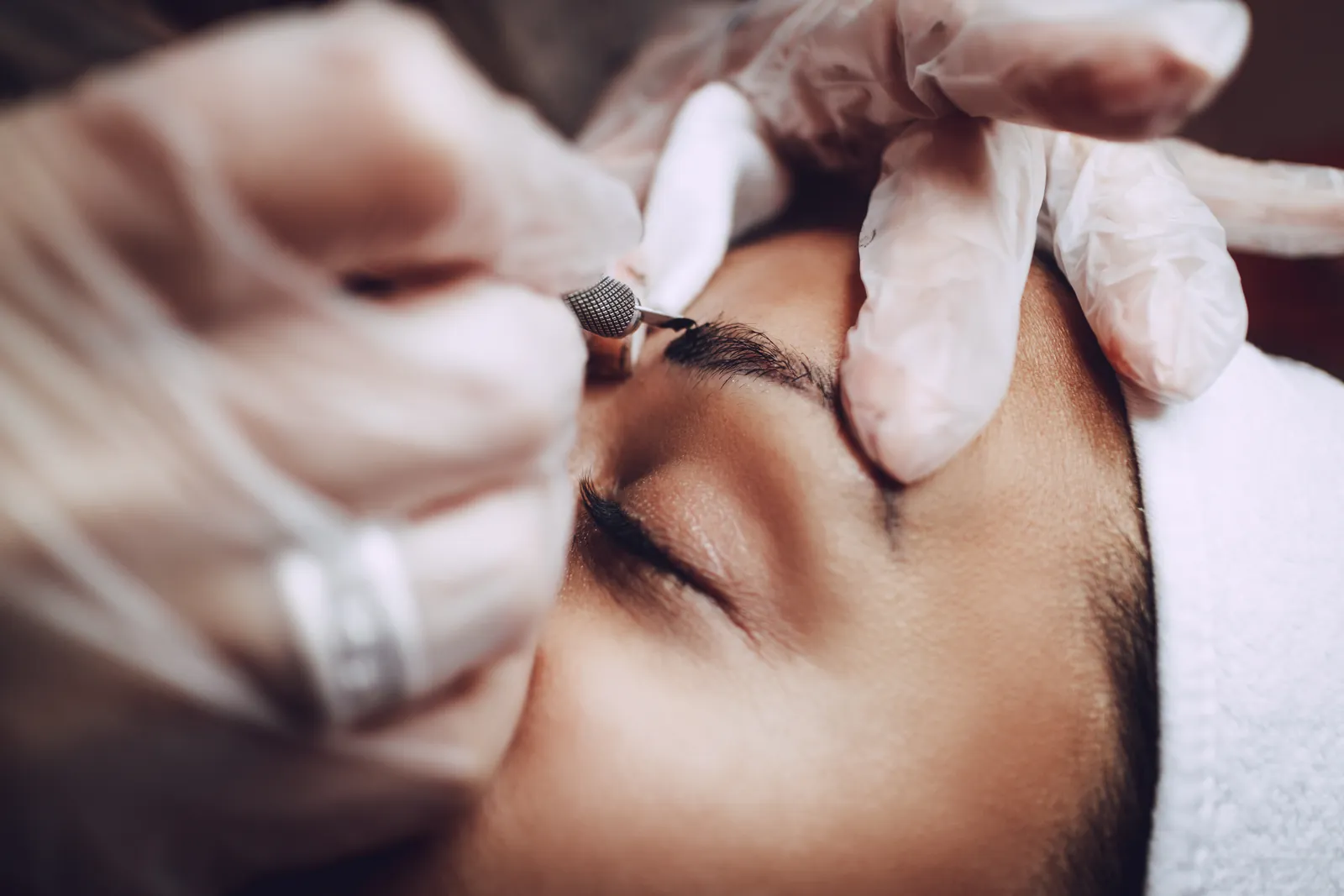
Microblading uses a fine hand tool lined with tiny needles to draw individual strokes that copy the direction and shape of natural brow hairs. The result is crisp and textured, and it is designed to look like hair rather than make-up.
Microshading, often sold as powder brows or ombré brows, builds colour with thousands of tiny dots of pigment. There are no drawn hairs. Instead you get a soft, diffused tint that looks more like a brow filled in with powder or pencil.
- Microblading suits people who want a natural, feathery look with visible strokes.
- Microshading suits people who like a more defined, softly “made-up” brow.
- A combination of strokes at the front and shading through the tail is also common.
Which Technique Suits Oily, Dry Or Mature Skin?
Skin type is one of the main things a practitioner will ask about at your consultation.
Oily Skin And Large Pores
Many practitioners steer clients with oily skin towards shading. Fine hair strokes can blur and soften over time on oily skin, while a powdered finish is meant to look soft anyway, so any softening is less noticeable.
Dry Or Normal Skin
Dry and normal skin types often hold crisp strokes well, which is why microblading is a popular choice if you want individual hairs.
Mature Or Thinner Skin
Skin that is thinner or less firm can be better suited to shading or a combined technique. A good practitioner will look at your skin in person rather than recommend one method for everyone.
Your Lifestyle Counts Too
Think about how you live day to day. Regular swimming, hot yoga, heavy sweating at the gym or lots of time outdoors can all affect how pigment settles and how quickly it fades. Strong exfoliating skincare used close to the brows can also speed up fading. Mention all of this at your consultation, because it can change which technique a practitioner recommends.
Consultation, Colour And Patch Tests
Expect a consultation first, where you talk through the shape, colour and your medical history. Brows are usually measured and drawn on before any pigment goes in, so you can agree the shape together.
Colour matters as much as technique. A shade matched to your hair and skin tone will look softer than one that is too dark, and a practitioner should explain how the colour is likely to look once healed, since pigment usually appears stronger at first.
Ask whether a patch test is needed for the pigment and when it will be done. Some people react to tattoo pigments, and University College London Hospitals lists allergic reactions to inks and skin infections among the risks of tattoos and cosmetic procedures.
Local salons such as Beauty by Ruth in Maghull offer both hair-stroke microblading and powder brows, so you can talk through which one suits your skin before deciding.
Healing, Aftercare And Touch-Ups
Both treatments go through a similar healing pattern. Brows can look darker and sharper for the first few days, then flake and appear patchy or lighter before the colour settles.
- Follow the written aftercare you are given, and keep the area clean.
- Avoid picking or scratching flaking skin.
- Keep make-up, sweat and heavy skincare off the brows while they heal, if advised.
A top-up appointment several weeks later is standard with both methods, to fill in any patches that did not hold. If the area becomes very red, swollen or painful, or you feel feverish, seek medical advice promptly rather than waiting for your top-up.
How Long Do Microblading And Microshading Last?
Neither treatment is permanent. How long the colour lasts depends on your skin type, sun exposure, skincare and the pigment used, so any figure a salon gives you is an estimate.
As a general guide, shading is often described as fading more gradually than fine strokes, particularly on oily skin. Many people book a colour refresh roughly once a year or so, but your practitioner should tell you what is realistic for your skin.
Daily sun protection on the brow area and avoiding harsh exfoliants there can help colour last. Factor the cost of top-ups and refreshes into your decision, not just the first appointment, because both treatments need ongoing maintenance to stay looking fresh. Our facial skincare tips cover SPF and gentle exfoliation in more detail.
Microblading Vs Microshading FAQs
Do I Need To Check The Salon Is Registered?
Yes. In England, semi-permanent skin colouring, which includes microblading and microshading, is regulated through local councils under the Local Government (Miscellaneous Provisions) Act 1982. Sefton Council, which covers Maghull, says both the practitioner and the premises must be registered for semi-permanent skin colouring. It is reasonable to ask a salon to show you its registration before you book.
Does Microshading Hurt More Than Microblading?
Most people describe both as uncomfortable rather than painful. Sensitivity varies, so ask how discomfort is managed during your consultation.
Can I Have Both Techniques Together?
Yes. Combination brows use strokes where you want texture and shading where you want density.
Is One Better For Sparse Brows?
Very sparse brows can suit shading or a combination, because strokes alone may look thin. It depends on how much natural hair you have.
Choosing The Right Finish For You
When deciding between microblading vs microshading, think about the look you reach for every day, and let your skin type guide the final choice. Take time over the consultation, ask about patch testing and aftercare, and check registration before you book.
For more beauty, home and lifestyle reading, browse the latest articles on Beyond The Garden Gates.