House & Home
How To Clean A Tumble Dryer Safely, Step By Step
A simple cleaning routine for vented, condenser and heat pump tumble dryers, from the lint filter to the sensor, with the fire safety rules that matter.
A tumble dryer that is clogged with fluff takes longer to dry your washing, uses more energy and can become a fire risk. The good news is that learning how to clean a tumble dryer is easy, and most jobs take a few minutes. This guide covers vented, condenser and heat pump models, and the safety habits that go with them.
Before any cleaning beyond emptying the filter, switch the dryer off and unplug it. Your manual will show where each filter sits on your model, so keep it handy.
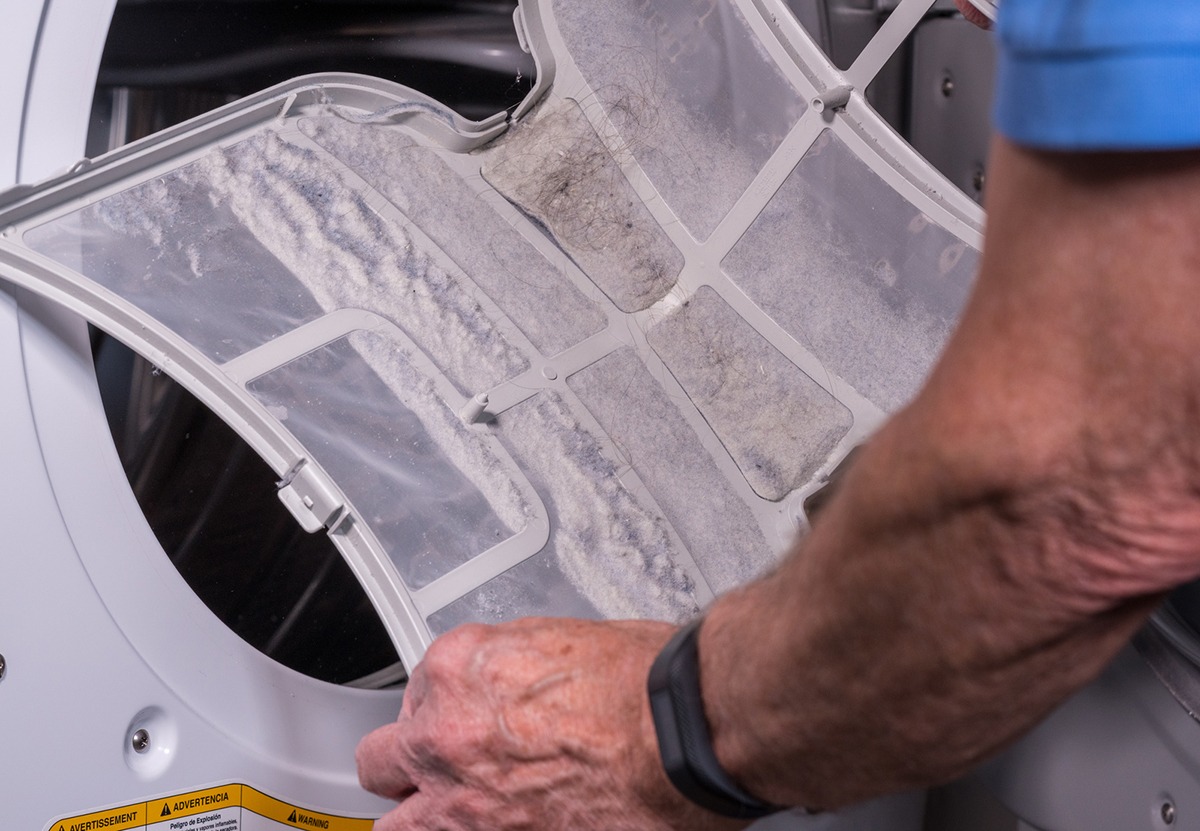
How To Clean A Tumble Dryer Lint Filter
This is the most important job, and you should do it after every load. A clogged lint filter restricts the airflow through the dryer, which cuts efficiency and can cause it to overheat. Which? warns that lint can occasionally get caught on the heating element and catch light.
- Open the door and pull out the lint filter, usually found in the door rim or at the front of the drum.
- Peel or brush off the layer of fluff and put it in the bin.
- Wipe away any fluff around the door and seal, as Electrical Safety First recommends.
- Slide the filter back in firmly before the next load.
The Water Tank And Heat Exchanger On Condenser Dryers
Empty The Water Tank After Every Use
Condenser and heat pump dryers collect the water from your laundry in a tank. Empty it after every cycle so the dryer does not stop partway through a full load. If your dryer is plumbed into a drain, you can skip this step.
Rinse The Heat Exchanger Monthly
The heat exchanger (condenser unit) turns steam from the drum back into water. Fine fibres slip past the lint filter and slowly clog it. Which? advises removing it and cleaning it under the tap every month or so. Pull off any large clumps of fluff by hand, rinse it thoroughly, let it drain and refit it securely.
The Lower Filter On Heat Pump Dryers
Heat pump dryers usually have an extra filter behind a panel at the bottom of the machine. Check your manual for how often to clean it, then:
- Open the kickplate at the base of the dryer and take out the sponge filter.
- Rinse the sponge under the tap and leave it to dry completely.
- If your manual says the fins behind it can be cleaned, brush off dust gently using up-and-down strokes, then vacuum away the loose fluff. Do not bend the fins.
- Refit the dry filter and close the panel.
The Hose And Wall Vent On Vented Dryers
A vented dryer pushes warm, damp air out through a hose, usually to a window or a vent in an outside wall. Check regularly that the hose is not squashed, kinked or blocked, as a bent hose restricts airflow and makes the dryer work harder. Clear any fluff from the outside vent too.
Electrical Safety First suggests placing a tumble dryer next to an outside wall or window where possible, with space around it, and not in an enclosed space such as a cupboard.
The Drum And Moisture Sensor
Many dryers use a sensor to tell when your clothes are dry. It usually sits inside the drum, just below the door opening. A dirty sensor gives inaccurate readings, leaving clothes either still damp or over-dried. Wipe the sensor and the inside of the drum with a damp cloth and a little mild washing-up liquid, then dry them off.
Not overloading the drum also helps. Air needs space to circulate, and a packed drum strains the machine. Our guide to tumble dryer capacities explained shows how much you can safely load.
Tumble Dryer Safety
Cleaning is only part of keeping a dryer safe. The Electrical Safety First tumble dryer advice and Which? both recommend these habits:
- Never leave it running when you are out or asleep. Avoid overnight use, and if you use a delay timer, set it for when you will be home and awake.
- Unplug it or switch it off at the socket overnight and when you go out.
- Plug it straight into a wall socket. A tumble dryer can overload an extension lead, especially with other appliances plugged in.
- Register your appliance with the manufacturer so you can be contacted if there is a safety recall. Tumble dryers are recalled fairly often, and manufacturers run online checkers.
- If your model is recalled, unplug it straight away and do not use it until it has been fixed.
- Fit smoke or heat alarms, at least one on every floor, and test them at least once a month.
The London Fire Brigade also publishes guidance on how to check whether older tumble dryer models have been identified as a fire risk.
When To Call An Engineer
If your dryer takes far longer than usual even with clean filters, smells of burning, trips the electrics, stops mid-cycle or makes unusual noises, stop using it and unplug it. Do not open the casing or attempt repairs yourself. Appliance Repair Men cover Merseyside and West Lancashire, including tumble dryer repairs in Southport, and a qualified engineer can safely diagnose the fault.
Quick Checklist
- Every load: clear the lint filter and wipe fluff from the door.
- Every load (condenser and heat pump): empty the water tank.
- Monthly: rinse the heat exchanger.
- As the manual says: clean the heat pump lower filter.
- Regularly: check the vent hose and outside vent, wipe the sensor and drum.
- Always: no overnight or unattended drying, no extension leads, appliance registered.
If you are thinking about running costs, read our piece on why energy efficiency matters. You will find more practical home guides at Beyond The Garden Gates.