Lifestyle
Why Adult Acne Treatment Is Worth Taking Seriously
Acne isn’t just a teenage problem. Here is how pharmacists and GPs can help, when to get advice sooner, and how salon facials fit alongside treatment.
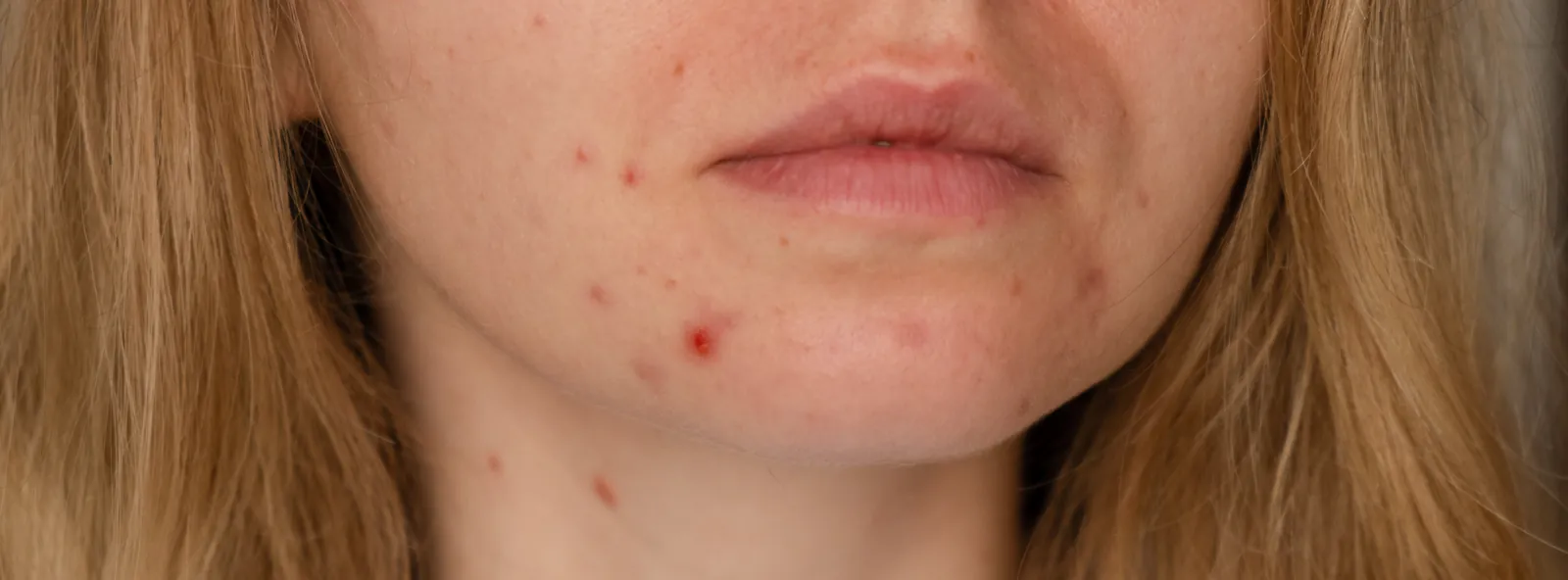
Adult acne treatment is something many people put off, often because they assume spots should have stopped after their teens. Acne can carry on into adulthood or appear for the first time later in life, and it responds to treatment just as teenage acne does.
This article covers why acne happens at different ages, what you can try from a pharmacist, what a GP can prescribe, and how salon facials can support, but not replace, medical care.
Acne At Any Age
The British Association of Dermatologists’ acne leaflet says most people will experience some form of acne during their lifetime. It usually starts around puberty, but it can also develop for the first time in people in their late twenties and beyond. Acne can run in families, although many people with acne have no affected relatives.
Acne happens when hair follicles become blocked with oil and dead skin cells. The NHS explains that changing hormone levels, such as during puberty, periods, pregnancy and the menopause, can trigger it. Conditions like polycystic ovary syndrome (PCOS), some medicines and greasy skin or hair products can also play a part.
Teenage And Adult Acne
Teenagers and adults use broadly the same treatments. The difference is often in how acne is perceived. Adults are sometimes told spots are a phase that should have passed, which can delay them getting help.
Starting Adult Acne Treatment With A Pharmacist
For mild acne, a pharmacist is a good first stop. According to the NHS, a pharmacist can recommend treatments you put on your skin, such as salicylic acid or benzoyl peroxide, as well as supplements such as zinc, niacinamide and vitamin A.
Patience matters here. The British Association of Dermatologists says most acne treatments need at least 12 weeks before you see much improvement, unless side effects mean you need to stop. Over-the-counter products are unlikely to be effective against severe acne.
What A GP Can Offer
If pharmacy products have not helped, a GP can prescribe stronger options. The NHS lists these among the treatments available.
- Topical retinoids, such as tretinoin or adapalene.
- Topical antibiotics, such as clindamycin or erythromycin.
- Oral antibiotics, such as doxycycline or lymecycline.
- The combined contraceptive pill, which can help some women.
- Azelaic acid, available over the counter or on prescription.
For severe acne, isotretinoin may be considered. It can only be prescribed under the supervision of a dermatology specialist and comes with strict pregnancy prevention requirements. The British Association of Dermatologists also lists spironolactone among the treatment options.
When To Seek Help Sooner
The NHS advises seeing a GP if any of the following apply.
- You have tried treating acne yourself and it is not getting better.
- You have lots of spots, or the spots are deep, painful or causing scars.
- You have signs of a skin infection, such as hot, swollen and red skin.
- Acne is affecting your mental health.
That last point is important. The NHS recognises that acne can cause anxiety, depression and low self-esteem. Feeling upset about your skin is a valid reason to ask for help, whatever your age. You do not need to wait until acne is severe before asking about prescription options.
A Simple Skincare Routine That Supports Adult Acne Treatment
Good daily habits will not cure acne on their own, but they help treatment work and avoid making things worse. The NHS acne page recommends the following.
- Wash your skin twice a day with a gentle cleanser.
- Remove make-up at the end of the day.
- Choose skincare and make-up labelled non-comedogenic.
- Wear loose, breathable clothing, especially when exercising.
- Do not pick or squeeze spots, as this can cause scars.
- Do not scrub your skin, as this can irritate it and make acne worse.
How Salon Facials Can Complement Medical Treatment
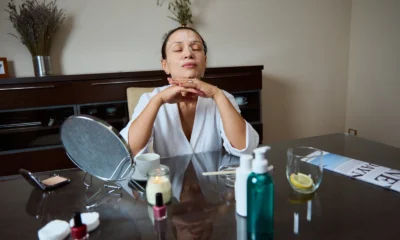
A professional facial can be a pleasant, practical addition to your routine. Deep cleansing, gentle exfoliation and calming serums can help skin feel fresher, and a therapist can suggest products that suit your skin type.
Salons such as Beauty by Ruth in Maghull offer an oxygen facial that the salon describes as suited to spot-prone skin. Treatments like this work best alongside anything your pharmacist or GP has recommended, not instead of it.
Always tell your therapist about any creams or tablets you are using for acne, so they can adapt the treatment. If you have deep, painful or scarring spots, see your GP before booking.
Adult Acne Questions
Why Have I Got Spots In My Thirties?
Hormonal changes, some medicines, certain health conditions and greasy products can all trigger acne. A GP can help if you are unsure what is behind it.
Does Dirty Skin Cause Acne?
No. Acne starts inside the hair follicle, so scrubbing harder will not fix it and can irritate the skin.
Is Adult Acne Treatment Different From Teenage Treatment?
Broadly, no. The same creams, gels and tablets are used at any age, and some options, such as the combined pill, only suit certain people. Your GP will take your age, health and any plans for pregnancy into account when suggesting a treatment.
How Long Before Treatment Works?
Allow at least 12 weeks before judging whether a treatment is helping, unless you have side effects.
Taking The First Step
Acne in adulthood is common and treatable. Start with a pharmacist, give treatments time, see your GP if spots are severe or getting you down, and use facials as a supportive extra.
Discover more lifestyle and wellbeing reading on Beyond The Garden Gates.